Validator client
Software communicates with the network and follows the protocol’s checking and signing rules.
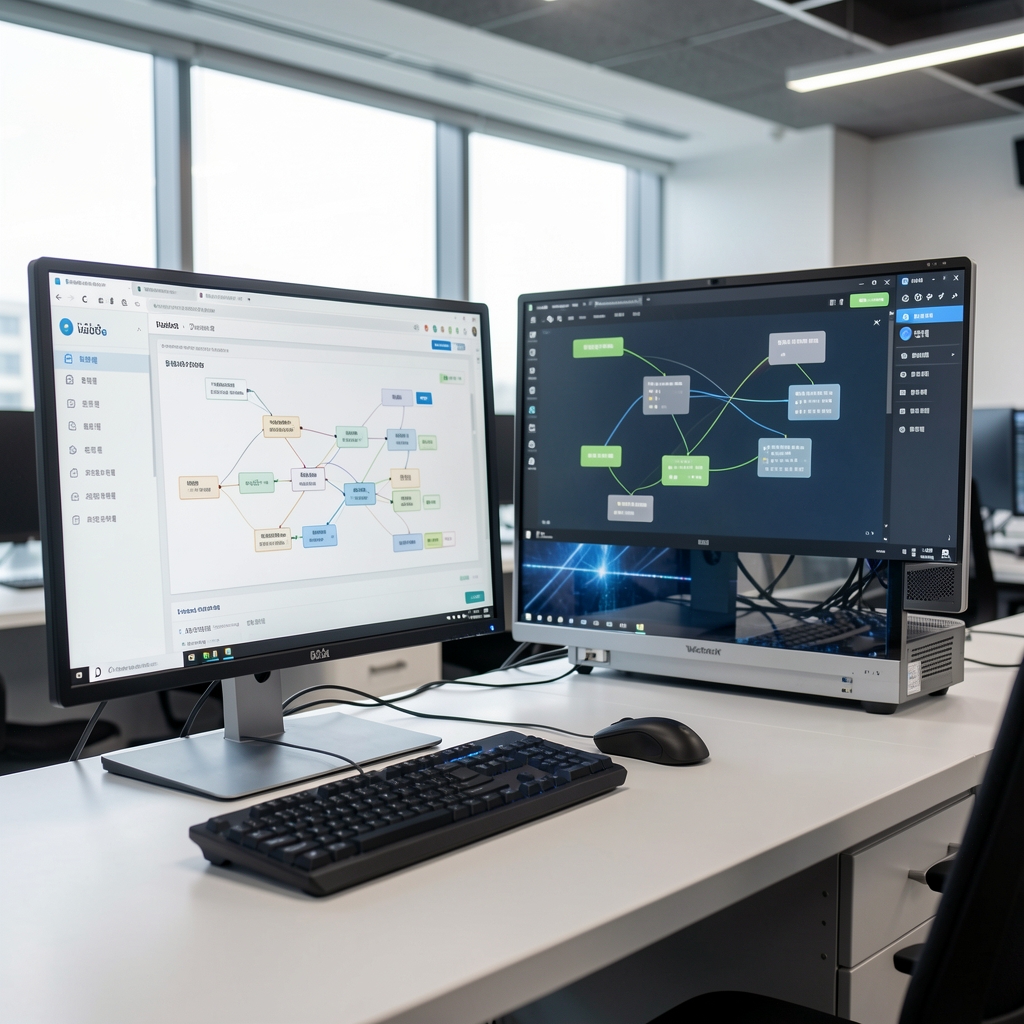
Staking coordinates network participation through validators, software clients, keys, delegation, governance and protocol rules. Harmony examines those layers without presenting a projected outcome.
This page is for learning and is not financial advice. Network conditions, rules and service arrangements differ by project and time.
Harmony is based at 10 Nambusunhwan-ro, Seocho-gu, Seoul, Republic of Korea 06703; phone +82-2-758-3942.
Software communicates with the network and follows the protocol’s checking and signing rules.
Signing access, backups, permissions and recovery procedures shape the operational profile.
Delegators assign participation weight under terms that vary by protocol and service.
| Layer | Question | Record |
|---|---|---|
| Protocol | What activity is required? | Current rules and client version |
| Operator | How are keys and uptime managed? | Controls and incident process |
| Delegation | What terms apply? | Fees, timing and withdrawal rules |
These steps do not remove network complexity; they make the assumptions visible.
“A validator is a technical role supported by people, procedures and software.”
Harmony’s staking material is educational and does not assess suitability.
Review key terms