Compute profile
Record the algorithm, nominal performance, firmware and operating temperature.
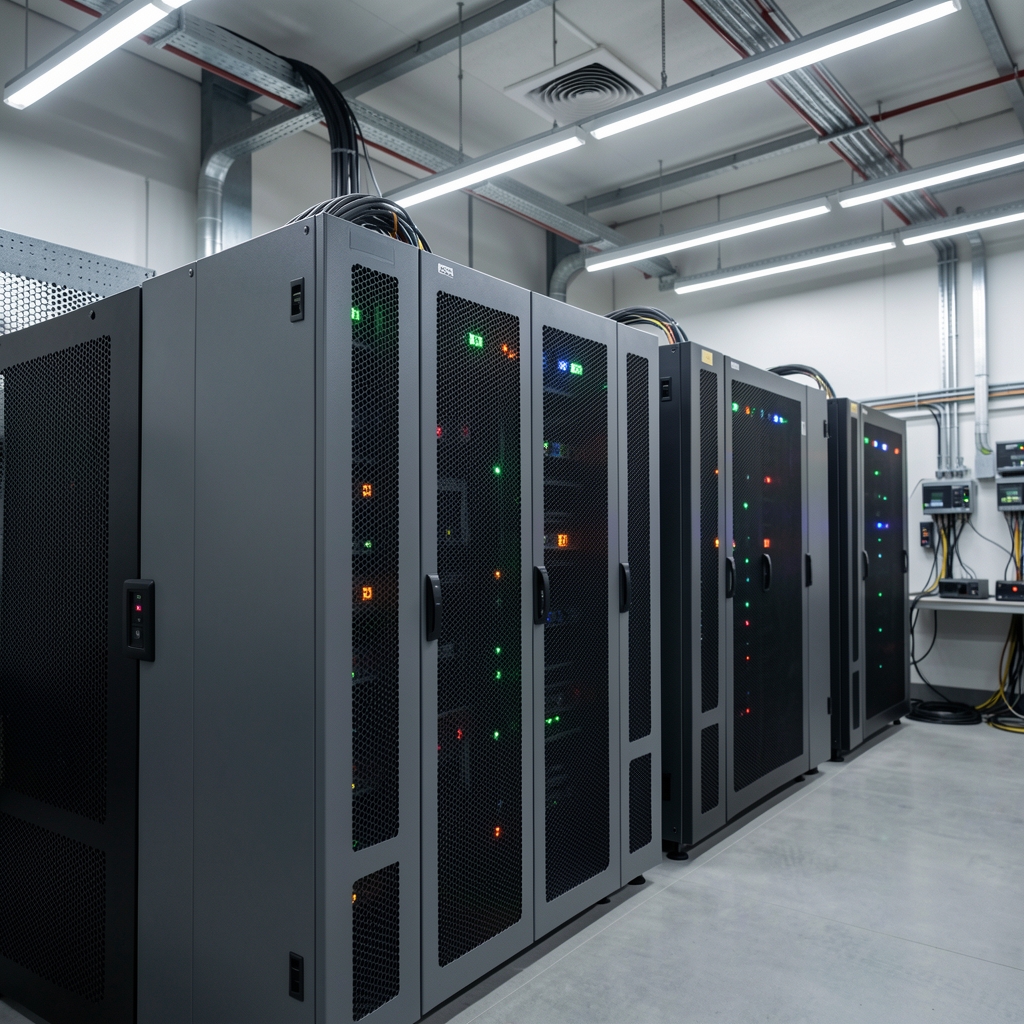
Mining hardware is not an isolated box. It sits inside a chain of procurement, firmware, power distribution, cooling, monitoring, maintenance and network coordination.
Examples are educational and not financial advice. Harmony is at 10 Nambusunhwan-ro, Seocho-gu, Seoul, Republic of Korea 06703, phone +82-2-758-3942.
Record the algorithm, nominal performance, firmware and operating temperature.
Review electrical capacity, airflow, noise, rack layout, access and fire procedures.
Consider procurement, installation, cleaning, repair, replacement and disposal.
| Layer | Primary question | Evidence |
|---|---|---|
| Chip and board | What work is performed? | Model specification and firmware |
| Power system | How is electricity delivered and measured? | Metering and facility records |
| Cooling | How are heat and dust managed? | Temperature logs and maintenance notes |
This process helps readers distinguish a device’s capability from the performance of a complete facility.
“A specification describes a component; an operation describes a system.”
Read the mining overview for the wider network and facility picture.
Read mining systems